How To Address Potential Problems With Your Flue Liner

How To Address Potential Problems With Your Flue Liner

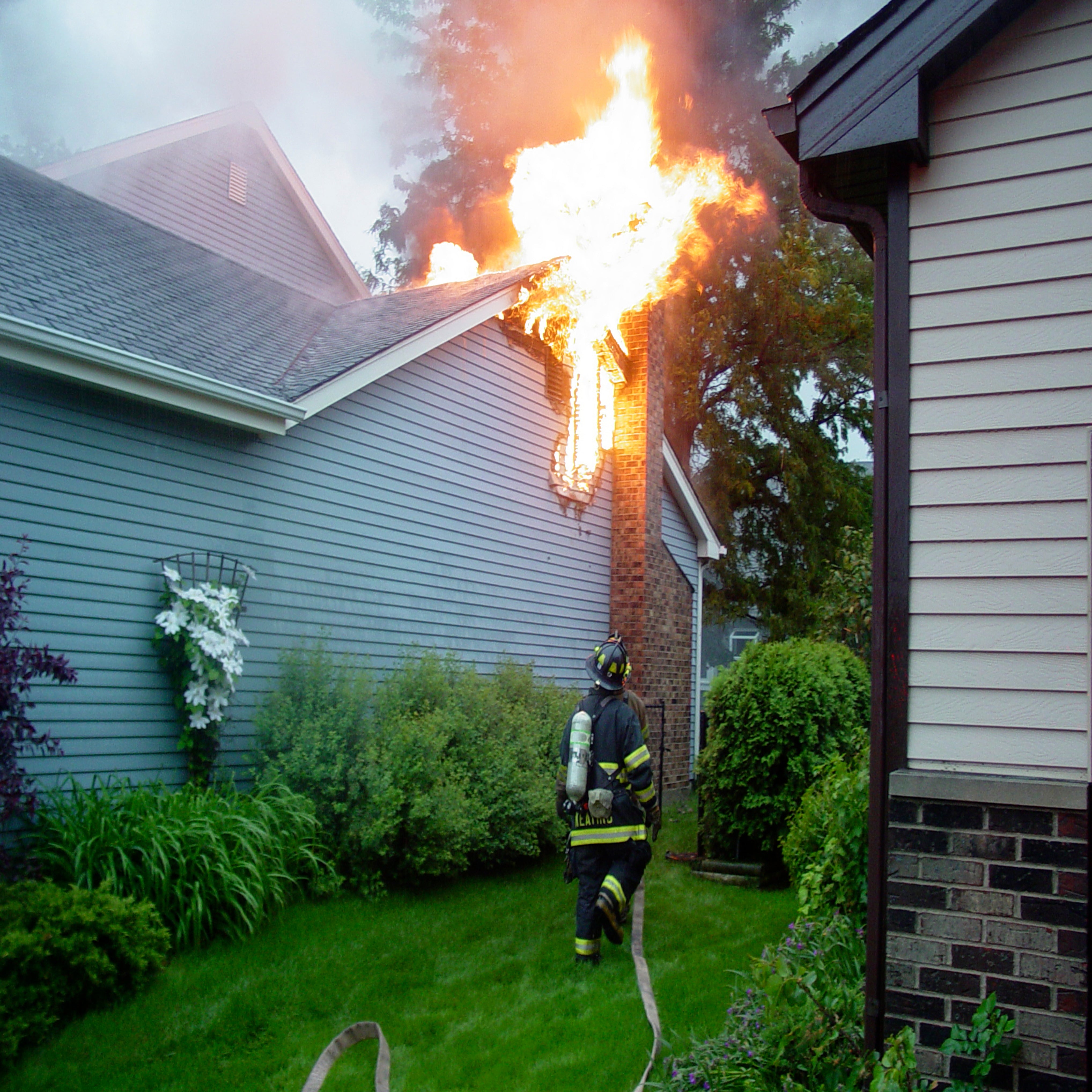
Safeguard Your Home: Addressing Potential Problems with Your Flue Liner A well-maintained chimney is crucial for the safety and efficiency of your home's heating system. However, many homeowners overlook the importance of regular inspection and maintenance of their flue liners, which can lead to significant risks and hazards. In this post, we'll explore the potential risks associated with your flue liners and the importance of addressing them promptly. Understanding Flue Liner Issues: During the construction of a masonry chimney, it's not uncommon for masons to make errors such as improperly aligning flue tiles or neglecting to fill the joints between tiles adequately. Additionally, factors like moisture, settling, corrosive flue gases, thermal shock from overheating or fire, and even seismic vibrations can damage clay flue tiles over time. The Dangers of Neglecting Your Flue: Damaged or deteriorating flue liners pose serious risks to your home and family. Firstly, they can allow dangerous gases, such as carbon monoxide, to seep into your living space, posing health hazards. Secondly, they increase the risk of chimney fires. Creosote, a highly flammable substance, can build up outside the flue lining where regular cleaning can't reach. If ignited, this buildup can lead to a chimney fire, with the potential to spread heat, smoke, and flames into your home's interior. Addressing Flue Liner Issues: The National Fire Protection Agency (NFPA) emphasizes the importance of maintaining flue liners. According to their guidelines, if a flue liner has softened, cracked, or deteriorated to the point where it can no longer contain combustion byproducts effectively, it must be either removed, replaced, repaired, or relined. Traditionally, relining with stainless steel was the go-to solution for addressing flue liner issues. However, advancements in chimney technology have introduced numerous alternative options. Today, homeowners have access to innovative solutions that offer additional choices for reliable flue lining in addition to stainless steel relining. Embracing Safe Alternatives: Introducing FireGuard Technology: Modern chimney professionals now offer additional solutions for chimney flue maintenance, one of which is the revolutionary FireGuard ceramic system. This patented technology is certified, listed, and labeled by Guardian Fire Testing Laboratory, Inc. (ISO 17025) as a repair system for damaged or defective clay flue liners. What sets FireGuard apart is its unique approach to flue liner repair. Unlike traditional methods, FireGuard utilizes pinpoint vibration technology, which ensures maximum penetration of tight joints and fractures while promoting a consistently smooth, even finish. This precise application technique results in a durable, long-lasting solution for your chimney. With a temperature rating of 3,205°F, FireGuard boasts the highest rating in the industry. Its pure ceramic material possesses unique chemical and physical properties that resist extreme heat, acids, and water effectively. When properly installed, FireGuard solidly fills all gaps and fractures in clay liners, virtually eliminating the possibility of heat transfer or the seepage of dangerous gases. Conclusion Your chimney flue plays a critical role in maintaining the safety and efficiency of your home's heating system. Neglecting your flue’s issues can lead to serious hazards, including carbon monoxide exposure and chimney fires. By addressing potential problems promptly and embracing modern alternatives to traditional relining methods, you can safeguard your home and enjoy peace of mind knowing that your chimney is in optimal condition. Don't wait until it's too late—take proactive steps to protect your home and family today.

Read more

Latest Articles

A Coating Alternative to Relining

A Cost Effective Alternative to Relining When homeowners are faced with a damaged or deteriorating chimney flue, the traditional solution has often been a full chimney relining. While effective, relining can be expensive, labor-intensive, and sometimes more invasive than necessary. For chimney sweeps looking to offer their customers a reliable and cost-effective alternative, ceramic coating systems provide an innovative solution. Why Consider Ceramic Coating Instead of Relining? Relining with stainless steel is a significant investment for homeowners, and while it remains the right choice in most cases, ceramic coatings can be a more budget-friendly alternative without sacrificing safety or performance. By sealing cracks and gaps, reinforcing the existing flue, and providing a smoother surface for improved draft, ceramic coatings extend the life of the chimney and help restore proper venting. They’re also versatile enough to be applied in a range of flue types and shapes, making them a flexible solution when a liner isn’t the best fit. Recommended Products: FireGuard & HeatShield At New England Chimney Supply, we recommend two well-established ceramic coating systems, FireGuard and HeatShield. Both have been widely used by sweeps across the country and are trusted for their durability and performance. The FireGuard System The FireGuard ceramic coating system was the first of its kind introduced in the United States back in 2003, and it remains one of the most advanced options available today. FireGuard is known for its durability, its rigorous certifications, and its innovative application method. Its patented vibration technology allows the ceramic material to penetrate deeply into problem areas, creating a strong, seamless surface that strengthens the chimney from within. In fact, FireGuard is the only system that combines vibration motors and custom foam applicators, giving sweeps a reliable way to achieve an exceptionally smooth and consistent finish. FireGuard has been certified and listed through Guardian Fire Testing Laboratory under UL standards, providing added assurance for both sweeps and homeowners. It also carries the highest temperature rating in the industry at just over 3,200 degrees, which means it’s built to endure the toughest chimney conditions. With its two-component ceramic formula, FireGuard achieves excellent bonding strength, ensuring a long-lasting repair. For homeowners, the lifetime transferrable warranty provides peace of mind, while for sweeps, the system’s proven track record and unique application process make it an attractive option to offer as a premium ceramic coating solution. The HeatShield System While FireGuard is recognized for its innovative application system and unmatched temperature rating, HeatShield brings a legacy of proven European technology with a focus on adaptable repair methods. The HeatShield Flue Sealant & Repair System offers another strong path for chimney restoration, particularly for clay tile and masonry flues. In suitable chimneys, HeatShield can be tailored to the situation: it can be applied just to fill missing or defective mortar joints, or it can be applied as a thin, continuous coating over the entire flue to repair cracks, seal gaps, and reinforce the interior walls. What sets HeatShield apart is its Cerfractory technology, a hybrid blend of ceramic and refractory materials first developed in Europe more than 30 years ago. This blend combines the strength of high-fired ceramic with the heat resistance of refractory cement, producing a durable seal that restores venting safety. By eliminating gaps, cracks, and spalling, HeatShield significantly reduces the dangers caused by chimney deterioration. HeatShield is also noteworthy for being eco-friendly, since it is made from recycled and naturally occurring materials, and it provides a less invasive, less costly alternative to full chimney rebuilding or tile removal. The system is thoroughly tested and exceeds industry standards: it is rated “Super-Duty” under ASTM testing. Training with NECS: Learn from the Inventor of FireGuard At New England Chimney Supply, we don’t just supply products—we also provide education and training to help sweeps grow their skills and businesses. We’re proud to offer a FireGuard ceramic coatings training class, hosted by Jay Endre, the inventor of the FireGuard ceramic coating system. Jay leads a hands-on class that teaches chimney professionals everything they need to know about the application process, system benefits, and how to confidently add ceramic coatings to their service lineup. By learning directly from the innovator behind the product, sweeps can bring the highest level of expertise and trust to their customers. Final Thoughts Ceramic coating is not just a quick fix, it’s a proven, durable method that allows chimney sweeps to extend the life of flues, enhance safety, and provide customers with an affordable alternative to relining. Because NECS is the only supplier that carries both FireGuard and HeatShield systems, chimney professionals can streamline their supply chain, simplify logistics, and rely on a single partner for both flagship coating technologies. By offering ceramic coating solutions such as FireGuard and HeatShield, and by taking advantage of NECS’s FireGuard training opportunities, chimney sweeps can deliver long-term value, peace of mind, and trusted results to homeowners.

Behind the Build: How In-House Manufacturing Helps Chimney Sweeps Get Reliable, Fast Solutions

Why In-House Manufacturing Matters Every day you step onto a job site, you carry your reputation with you. The quality of the parts you install reflects directly on your workmanship, and one weak link can undo hours of effort. That’s why what goes into those products matters just as much as the skill you bring to the job. At New England Chimney Supply, we don’t leave that to chance. We build our products right here in-house, giving you the confidence that every chase cover, cap, and liner you install is consistent, dependable, and proudly made in America. Consistency Through Quality Control We oversee every step of the manufacturing process in-house. Our team inspects materials as they arrive, fabricates with precision, and checks every weld, seam, and finish before a product leaves our facility. This level of hands-on quality control ensures the chase covers, caps, and liners you install fit correctly, look professional, and hold up under tough weather conditions. When you receive a product from NECS, you get a solution that’s been built and tested with your job in mind. Lead Time Transparency You Can Trust In the field, timing matters. Missed deadlines throw off your entire schedule and frustrate homeowners. Because we manufacture in-house, we control our production schedule and give you clear, reliable lead times. When we commit to a turnaround, we stick to it. That transparency allows you to plan jobs with confidence, minimize downtime, and avoid costly callbacks. Proudly Made in America Every product we build comes from our American facilities in New England and Virginia, supporting U.S. jobs and industries. Keeping production close to home allows us to maintain higher standards and respond quickly when you need something custom. For sweeps, this means you can tell your customers you’re installing American-made products, a point of pride that builds trust and adds value to every job you complete. Collaboration and Real-World Innovation Our shop floor stays connected to the sweeps we serve. When you call with a special request, we adjust production, test new ideas, and find solutions that work in the field. If a product isn’t optimized for your job, we’ll work with you to create the perfect design. Some of our best innovations came straight from sweeps like you. The Bottom Line In-house manufacturing means more than making parts, it means superior quality control, clear and honest lead times, and the assurance that everything you install was built in America by people who care about your success. When you choose New England Chimney Supply, you’re not just ordering metal, you’re getting a dependable partner who helps you deliver safe, professional, and efficient work every time.

The 5 Most Important Items To Keep Stocked for October

Essential Tools and Equipment for Your Truck Kicking off a successful busy season comes with a steep learning curve, but one of the best ways to set yourself up for success is having the right tools and materials on your truck from day one. Whether you're installing fireplaces, stoves, or inserts, or handling common repairs and maintenance, here's a breakdown of the essentials every sweep should stock on their rig. Core Installation Equipment Before you head to the jobsite, you’ll need to be equipped for the most common types of installs: wood stoves, gas inserts, and fireplaces. That means your truck should have: Liners, Caps, Fittings, & Insulation: Used to reline existing masonry chimneys and ensure a safe, code-compliant venting system, which is especially important when connecting new appliances to old flues. In order to create or replace a code-compliant venting system, you’ll need stainless steel liners (flex and rigid), top plates, rain caps, and insulation. Pipe and venting systems: Pipes and venting systems transport exhaust safely out of the home. Having both types of pipes lets you adapt to any install situation whether you're working inside or outside the structure. To save you time on the job, we recommend carrying double-wall and single-wall stove pipe, Class A chimney pipe, and gas venting components. Thimble kits and wall pass-throughs: For meeting code and safely routing pipe through combustible surfaces. These components protect walls from heat transfer and make it possible to pass stove pipe safely through drywall, studs, or other framing. Adapter and transition pieces: Used to connect liners to stove collars or fireplace inserts with different diameters. Appliance connections aren't always the same size, these parts ensure a snug, leak-free fit between mismatched components. Why They Matter Without the right liner and venting system, your install may be unsafe or fail inspection. New sweeps often underestimate how many adaptors, elbows, or lengths of pipe they’ll need on a given job. By carrying a range of standard sizes (6”, 7”, 8”) and components like top plates and rain caps, you’ll be ready for the most common configurations without last-minute supply runs. Hardware & Fasteners The job doesn’t get done without the little things holding it all together. Keep a well-stocked hardware bin for fasteners and connectors that are frequently used on installs: Screws: Self-tapping stainless steel screws (#8, #10, and #12 in various lengths) for securing pipe and hardware. These corrosion-resistant screws are vital for joining metal components like stove pipe or brackets and stay tight even with heat cycling. Rivets: Essential for clean and secure connections on stainless steel liners and termination caps. Rivets provide a permanent, vibration-resistant joint where screws might loosen over time—especially useful in high-temperature areas. Tapcon masonry screws: For anchoring components into brick, block, or concrete. These screws bite directly into masonry, making it easy to fasten brackets, plates, or termination hardware to chimney crowns or walls. Sheet metal screws with washers: For attaching flashing and top plates to chimney crowns. The washers help create a tighter seal against metal surfaces, preventing water intrusion at vulnerable points. High-temp silicone and sealants: Red RTV and black sealants rated for flue temps for sealing joints and penetration points. These ensure airtight, heat-resistant seals on flue connections and stop smoke or gases from escaping into the home. Why They Matter: Fasteners are often overlooked until you don’t have the right one. A missing screw or improper rivet can delay a job or create a weak point in your install. By organizing a bin of mixed screws, rivets, and sealants on your truck, you’ll have the confidence to handle whatever install challenges come up. Tools & Accessories Having the right tools on your truck helps avoid callbacks and ensures the job gets done efficiently. Consider adding these tools to your truck for a great job: Cordless drill and driver set: With metal and masonry bits. This is your go-to tool for driving screws and drilling through everything from chimney brick to stainless steel pipe. Rivet gun: Used to install pop rivets manually or pneumatically, depending on your setup. This tool is indispensable when working with stainless liner kits and termination caps. Sheet metal snips: Both left- and right-cutting versions. These make it easy to trim pipe, flashing, or chase covers to fit—especially important for customized installs. Chimney camera or inspection scope: For before-and-after verification of flue conditions. Helps identify blockages or damage prior to installation, and provides documentation to show the customer your work. Grinders and cutting wheels: For trimming pipe or adjusting fittings. When something doesn’t quite fit, a quick trim can save hours. Level, tape measure, and chalk line: Basics, but crucial on every install. These ensure your installs are not only safe but also level, symmetrical, and professional-looking. Why They Matter: New sweeps often learn the hard way that not all installs go by the book. A fireplace opening may be slightly too small. A liner may be a few inches too long. Or a flue tile may have a stubborn offset. These tools allow you to adapt to real-world scenarios with confidence, precision, and efficiency. Safety Gear and Installation Support Keep your crew safe and OSHA compliant with some essential personal protective equipment: Roof anchors and harnesses: For safe work at height. These fall protection tools are legally required on many jobs and protect workers from life-threatening injuries. Ladder stabilizers and pads: To avoid damaging siding or gutters. These accessories increase safety and help maintain your reputation by protecting the customer’s home. Gloves, eye protection, and respirators: Especially during liner removal or insulation handling. Sweeps often deal with sharp edges, soot, and silica dust, so proper PPE is a must for both safety and professionalism. Drop cloths and clean-out buckets: To protect client homes and keep debris contained. Cleanliness matters, and using these prevents ash, soot, or tools from damaging flooring and walls during the job. Why They Matter Safety is important for avoiding accidents and establishing professionalism. Homeowners will notice when your crew wears safety gear and takes care not to damage their property. It builds trust. For new sweeps, creating a routine around safety from the start sets a positive standard for future growth and training new techs. Bonus Stock for Unexpected Repairs Sometimes a simple install turns into a full-day repair. Be prepared with: Crown repair products: CrownTite, patching mixes, or cast forms. Fixing a cracked crown before an install can prevent water intrusion that would otherwise damage your new work. Stainless steel chase covers and storm collars: For prefab chimney systems showing signs of rust. These replacements stop water damage and rust from spreading to the new appliance or venting system. Fire stop spacers and support boxes: In case you’re building through a ceiling or floor. Code requires these for safe installation of vertical runs—having them on hand means you won’t have to reschedule for missing parts. Ceramic chimney flue coatings:A go-to option if you discover a cracked or compromised flue liner mid-job. Having coating kits available lets you seal and restore the flue without tearing out tile or clay liners—saving time and avoiding a return visit. Masonry weatherproofing coatings:If you notice porous or spalling brick while on-site, applying a breathable water-repellent treatment can stop future damage. Keeping a couple gallons in stock lets you offer this service on the spot and protect your customer’s chimney system for years. Why They Matter Even a basic install can uncover hidden damage. If you're not prepared to handle it, you'll either delay the job or leave your customer with a half-solved problem. Having a stash of common repair products lets you pivot when needed and upsell solutions that protect your customer’s investment—and your reputation. Be Ready for Busy SeasonOutfitting your truck properly for busy season is an easey way to ensure smoother installs while projecting professionalism, minimizing trips to the shop, and ultimately building trust with your customers. Having a well-stocked rig shows your clients you’re ready for whatever the job throws your way.

Inspection Red Flags: What Sweeps Should Spot Before Recommending Parts

What Sweeps Should Spot Before Recommending Parts Every inspection is an opportunity to protect homeowners while showing the value of your expertise. Red flags aren’t just signs of wear, they’re a chance to recommend the right parts and justify them with professional standards. By leading with your recommendation and supporting it with NFPA codes and NCSG guidelines, you provide solutions backed by authority. 1. Smoke Chamber Corrosion The red flag: Pitting, rust, or thinning metals in the smoke chamber. Your Move: Recommend a stainless steel liner system to restore structural integrity and draft performance. Explain how a liner not only solves the immediate danger but also improves draft efficiency and makes future cleanings smoother. You’re not just replacing metal, you’re future-proofing their fireplace. When it comes time to explain why a new liner system is necessary, consider letting homeowners know that NFPA 211 requires flue liners and smoke chambers to remain intact for safe operation. 2. Loose or Cracked Bricks and Mortar Joints The red flag: Bricks shift under pressure and cracks spread across mortar joints. Your Move: Recommend installing a chase cover or chimney cap right away, and if interior damage exists, a liner or ceramic coating system. Be ready to share that NFPA 211 details construction and maintenance standards for masonry chimneys to prevent moisture infiltration. In addition to NFPA 211, the NCSG Certified Chimney Journeymen guide highlights brick-and-mortar repairs and crown replacement as standard repair practices for sweeps. 3. Deteriorating Chimney Crown The red flag: Visible cracks, flaking concrete, and pooling water on the crown. Your Move: Recommend replacing the crown with a precast unit or sealed rebuild. Add that including a chimney cap will provide the most robust protection. NFPA 211 specifies that exterior chimney components must shed water and prevent infiltration. The NCSG Certified Chimney Journeymen Guide also lists crown replacement as part of essential masonry repairs. 4. Rusted Dampers or Firebox Components The red flag: Dampers stick with rust and the firebox panels are warped or flaking. Your Move: Recommend a top-sealing damper upgrade, ideally paired with a liner for maximum performance. For the laymen, let them know that NFPA 211 requires appliance and venting parts to operate properly to maintain safety and efficiency. It’s also important to note that the NCSG Certified Chimney Journeymen Guide identifies damper and appliance component replacement as a key part of inspection and repair best practices. 5. Water Stains Inside the Home The red flag: Yellow staining on ceilings near the chase or musty odors indoors. Your Move: Recommend stainless steel chase covers and caps as a permanent solution. NFPA 211 requires a Level II inspection when signs like interior staining point to water intrusion. The NCSG Certified Chimney Journeymen Guide instructs sweeps to document such findings and advise customers on necessary repairs. Turning Standards Into Sales By leading with recommendations and citing NFPA 211 and NCSG best practices, you shift your advice from “opinion” to professional requirement. Providing visuals from inspection photos and positioning your recommendations as a necessary step to maintaining code is a good way to build trust with homeowners while subtly emphasizing urgency. By presenting the product that can fix the homeowner’s problem along with the codes that require that fix, you will establish yourself as an advocate for the homeowner grounded in years of experience in your trade. This approach protects homeowners, extends chimney life, and grows your business with integrity.

How To Avoid Delays During Busy Season

Stay Ahead When the Phones Start Ringing Every chimney sweep knows busy season can make or break the year. As soon as the first cold snap hits, phones ring nonstop, and schedules fill up fast. Homeowners want their fireplaces ready, and they want the work done yesterday. During busy season, even one small delay from a missing cap, a late shipment, or an overbooked day can throw off your entire schedule. The sweeps who thrive aren’t just the ones who work the hardest. They are the ones who prepare the smartest. By planning ahead, managing inventory, and choosing partners you can rely on, you can keep jobs on track, avoid costly reschedules, and deliver the kind of service that earns repeat business. Plan Your Inventory Early One of the most effective ways to prevent delays is to plan your inventory early. Items like chimney caps, chase covers, liners, and sealants tend to run out quickly in October. Take stock now and identify what you need most often. Suppliers like NECS ship thousands of SKUs within 3 days, along with thousands more within 1 day, so you can balance preparedness without tying up too much capital. This proactive step saves time, avoids jobsite delays, and lets you stay focused on serving customers. Learn From Last Year’s Jobs Your past seasons hold a blueprint for success. Review your service and sales records to uncover recurring bottlenecks. Did you run short on liners? Scramble for caps midway through fall? Wish you had more top mounts ready? Use these patterns as a playbook, and reorder those critical items early. That simple decision helps prevent history from repeating and keeps your customers happy. Use Forward Scheduling to Stay Organized Forward scheduling lets you book inspections, cleanings, and maintenance well before the busy season hits. By filling your calendar in advance, you smooth out income flow during slow periods and stay organized when demand rises. You also build customer trust, since people appreciate knowing you are thinking ahead. For more on implementing this strategy, check out The Importance of Forward Scheduling for Chimney Sweeps. Rely On Partners Who Deliver Even great planning can falter without reliable partners. One late shipment can derail your entire day. Product quality matters, but reliability matters just as much. Ask your suppliers how fast they ship, how accurate they are, and whether they offer real human support. NECS, for example, maintains a 98.79% shipment accuracy rate. That consistency lets you plan confidently, knowing parts will arrive on time. Keep Flexibility Built In Even the best plans must adapt to surprises, such as weather changes, complex installs, or sudden homeowner requests. If you book jobs back-to-back, one hiccup can cascade into delays and frustrated clients. Instead, leave small buffers in your schedule. That flexibility lets you adjust on the fly, deliver on your promises, and keep your stress at bay. Set Yourself Up for a Smooth Season Fall does not have to feel chaotic. By preparing your inventory early, learning from past seasons, integrating forward scheduling, partnering with reliable suppliers, and building flexibility in your calendar, you can reduce delays and deliver consistent results. Customers depend on more than your technical skills, they count on you to show up when promised and finish the work right. With smart preparation and dependable systems, you will ride the busy season and emerge stronger. Browse NECS’s catalog of chimney products and stock up today so you are ready for peak season.

The Value of Floor Protection

Why Hearth Pads Matter for Homeowners and Hearth Professionals When it comes to heating with stoves, homeowners tend to focus on the stove’s design, efficiency, or fuel type; but they often overlook one of the most critical safety components -- floor protection. Also known as hearth pads, hearth boards, or stove boards, these essential items play a key role in protecting the home and enhancing the aesthetics and performance of the stove installation. For chimney sweeps and hearth stores, educating homeowners on the importance of floor protection isn’t just a value-add, it’s an opportunity to provide peace of mind, code-compliant installations, and premium product offerings. Why Homeowners Need Hearth Pads For homeowners, the need for hearth pads is as much about safety as it is about style. Stoves, whether wood, gas, or pellet, generate significant heat. Without a proper protective surface underneath, that heat can compromise or ignite the flooring below, especially if it's made of combustible materials like wood, carpet, or vinyl. A certified hearth pad acts as a thermal or ember barrier, significantly reducing fire risk. That’s why it’s important to seek out floor protection that is UL listed to rigorous UL 1618-2009 standards, like Ember King, Thermal King, Signature Series, or Hearth Originals. Products like these allow homeowners to enjoy the comfort and charm of a stove with the assurance that their flooring is safely protected. A Business Opportunity for Sweeps and Retailers For chimney professionals and hearth stores, offering floor protection products is not only a smart safety recommendation, it’s a strategic business move. Helping customers choose the right hearth pad ensures a code-compliant installation, provides an additional revenue stream, and positions your business as a knowledgeable and safety-oriented partner. Hearth pads are a natural upsell that integrate seamlessly into stove installs and can significantly increase the average sale value. More importantly, offering a curated, high-quality line of floor protection demonstrates a commitment to protecting customers’ homes and enhancing their overall heating experience. Stylish Options for Every Home Appealing to the aesthetic quality that floor protection provides is a good way to shift the pitch from a strictly safety-based necessity to an opportunity to improve the aesthetic quality of the homeowner's favorite rooms. Beyond safety, today’s hearth pads come in a variety of visually appealing and customizable options. Homeowners can choose from a wide array of colors, tile finishes, pedestal heights, and edge treatments to complement any room style. The Hearth Originals series, for example, features 12 unique tile combinations, and the Signature Series offers pedestal base options to elevate the stove for easier access and visual impact. Protect Floors with Confidence For hearth professionals aiming to deliver top-tier installations, floor protection is a non-negotiable part of stove safety and performance. Hearth pads are a crucial step in safeguarding your flooring and elevating the entire heating experience with style, code compliance, and long-term durability. At New England Chimney Supply, we understand the vital role floor protection plays, which is why we offer a full range of high-quality hearth pads, including trusted brands like Ember King, Thermal King, Signature Series, and Hearth Originals. With customizable designs, UL-listed certifications, and styles to match any home, we make it easy to find the perfect solution for your stove setup. Trust New England Chimney Supply to be your partner in safety, style, and success.

NECS Blogs

Subscribe to our Blogs

We're commited to your privacy, NECS uses the information you provide to us to send you new blogs content. You may unsubscribe at any time. For more information check out our privacy policy

Blogs Newsletter Image