How To Address Potential Problems With Your Flue Liner

How To Address Potential Problems With Your Flue Liner

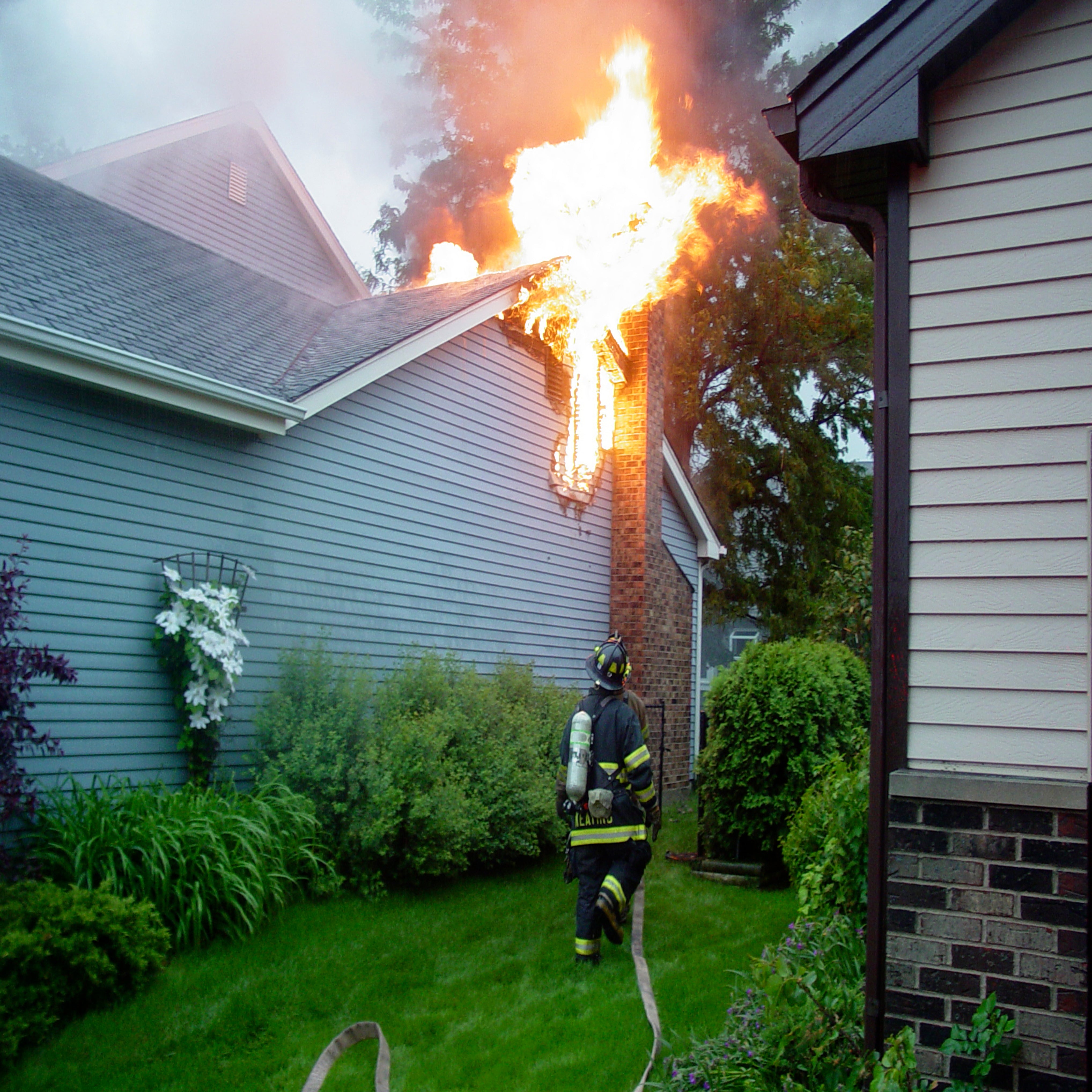
Safeguard Your Home: Addressing Potential Problems with Your Flue Liner A well-maintained chimney is crucial for the safety and efficiency of your home's heating system. However, many homeowners overlook the importance of regular inspection and maintenance of their flue liners, which can lead to significant risks and hazards. In this post, we'll explore the potential risks associated with your flue liners and the importance of addressing them promptly. Understanding Flue Liner Issues: During the construction of a masonry chimney, it's not uncommon for masons to make errors such as improperly aligning flue tiles or neglecting to fill the joints between tiles adequately. Additionally, factors like moisture, settling, corrosive flue gases, thermal shock from overheating or fire, and even seismic vibrations can damage clay flue tiles over time. The Dangers of Neglecting Your Flue: Damaged or deteriorating flue liners pose serious risks to your home and family. Firstly, they can allow dangerous gases, such as carbon monoxide, to seep into your living space, posing health hazards. Secondly, they increase the risk of chimney fires. Creosote, a highly flammable substance, can build up outside the flue lining where regular cleaning can't reach. If ignited, this buildup can lead to a chimney fire, with the potential to spread heat, smoke, and flames into your home's interior. Addressing Flue Liner Issues: The National Fire Protection Agency (NFPA) emphasizes the importance of maintaining flue liners. According to their guidelines, if a flue liner has softened, cracked, or deteriorated to the point where it can no longer contain combustion byproducts effectively, it must be either removed, replaced, repaired, or relined. Traditionally, relining with stainless steel was the go-to solution for addressing flue liner issues. However, advancements in chimney technology have introduced numerous alternative options. Today, homeowners have access to innovative solutions that offer additional choices for reliable flue lining in addition to stainless steel relining. Embracing Safe Alternatives: Introducing FireGuard Technology: Modern chimney professionals now offer additional solutions for chimney flue maintenance, one of which is the revolutionary FireGuard ceramic system. This patented technology is certified, listed, and labeled by Guardian Fire Testing Laboratory, Inc. (ISO 17025) as a repair system for damaged or defective clay flue liners. What sets FireGuard apart is its unique approach to flue liner repair. Unlike traditional methods, FireGuard utilizes pinpoint vibration technology, which ensures maximum penetration of tight joints and fractures while promoting a consistently smooth, even finish. This precise application technique results in a durable, long-lasting solution for your chimney. With a temperature rating of 3,205°F, FireGuard boasts the highest rating in the industry. Its pure ceramic material possesses unique chemical and physical properties that resist extreme heat, acids, and water effectively. When properly installed, FireGuard solidly fills all gaps and fractures in clay liners, virtually eliminating the possibility of heat transfer or the seepage of dangerous gases. Conclusion Your chimney flue plays a critical role in maintaining the safety and efficiency of your home's heating system. Neglecting your flue’s issues can lead to serious hazards, including carbon monoxide exposure and chimney fires. By addressing potential problems promptly and embracing modern alternatives to traditional relining methods, you can safeguard your home and enjoy peace of mind knowing that your chimney is in optimal condition. Don't wait until it's too late—take proactive steps to protect your home and family today.

Read more

Latest Articles

Flashing Failures - The Most Overlooked Source of Chimney Leaks

Flashing Failures: The Most Overlooked Source of Chimney Leaks When a homeowner calls about a chimney leak, most people assume the crown, the cap, or the masonry has failed. While those components can cause problems, flashing often creates the issue. Many professionals overlook flashing during inspections, which leads to repeated leaks and frustrated homeowners. When you understand how flashing works and why it fails, you can solve leaks correctly the first time. What Is Chimney Flashing? Chimney flashing seals the joint between the chimney and the roof. This intersection creates a natural vulnerability where water can enter the home. A properly installed flashing system directs water away from this joint and protects the structure from moisture intrusion. A complete flashing system includes several components. Step flashing consists of individual metal pieces woven into the shingles along the sides of the chimney. Counter flashing sits above the step flashing and anchors into the chimney mortar joints. A cricket, also called a saddle, installs on the high side of the chimney and diverts water around it. These components work together to form a watertight system that sheds water away from the chimney and roof connection. Why Flashing Fails Flashing rarely fails suddenly. Most problems develop over time due to installation errors, weather exposure, and material breakdown. Improper installation causes the majority of flashing failures. Some installers rely on caulk or roofing cement instead of proper mechanical installation. Others skip step flashing entirely or fail to overlap flashing pieces correctly. In many cases, installers do not embed counter flashing into the mortar joints. These shortcuts may hold temporarily, but they almost always lead to leaks. Overreliance on sealants also creates problems. Caulking should support the system, not replace it. Sealants break down under UV exposure and temperature changes, which leads to cracking and water intrusion. Thermal movement contributes to long-term failure. Chimneys and roofs expand and contract at different rates. This movement loosens flashing, pulls fasteners free, and creates gaps where water can enter. Material quality also plays a role. Low-quality or incompatible metals corrode over time, especially in harsh or moist environments. Once corrosion begins, the flashing loses its ability to keep water out. Missing or improperly installed crickets increase the risk of leaks. Water pools on the uphill side of wider chimneys when no cricket is present. This pooling forces water under the flashing and accelerates failure. Signs of Flashing Failure Flashing issues do not always appear as obvious leaks at the chimney. In many cases, symptoms show up in other areas of the home. You may notice water stains on ceilings or walls near the chimney. Attic insulation around the chimney chase may feel damp. From the roof, you might see rusted or deteriorated flashing. Counter flashing may appear loose or missing. Some homeowners report recurring leaks even after multiple repairs. When repairs fail repeatedly, you should reevaluate the flashing system. Why Flashing Problems Are Often Misdiagnosed Many professionals blame masonry or crown damage because these components remain visible and easy to inspect. Flashing stays partially hidden and requires closer evaluation. This difference leads to frequent misdiagnosis. Temporary fixes also create confusion. Tar or sealant can hide the real problem for a short time. When the leak returns, the homeowner assumes a different issue exists, when the flashing still needs proper repair. Best Practices for Long-Term Solutions Long-term success with flashing comes down to how well the system sheds water on its own, not how much sealant it relies on. Start by treating flashing as a mechanical system first and a sealed system second. When properly installed, flashing should guide water away from the chimney without depending on caulk as the primary defense. Material selection also matters. Choose corrosion-resistant metals that are compatible with the roofing system and local conditions. Mismatched or low-quality materials tend to break down faster and shorten the lifespan of the repair. Pay close attention to how the flashing ties into the roof. Step flashing should be woven correctly into the shingles, while counter flashing should be securely embedded into mortar joints to lock the system in place. When these components work together, they create a layered barrier that handles water effectively. For wider chimneys, especially those over 30 inches, adding a cricket is a smart upgrade. A properly built cricket diverts water around the chimney and reduces the load on the flashing system. Finally, avoid relying on quick fixes. Tar and surface sealants may stop a leak for a short time, but they rarely solve the underlying problem. A well-executed installation or repair will always outperform a temporary patch. The Opportunity for Chimney Professionals Flashing failures create an opportunity for chimney professionals to deliver real value. When you diagnose the issue correctly and provide a permanent solution, you build trust with homeowners. You can also educate homeowners about proper flashing installation. This education helps justify higher-quality repairs and reduces callbacks. In cases where a full tear-out and rebuild is not necessary, you can offer a practical repair option using a professional-grade flashing coating. Products like FlashTite or FlashSeal allow you to seal existing flashing, maintain flexibility, and provide a durable water barrier. This approach gives you another solution to solve leaks effectively while saving time and cost for the homeowner. Putting Everything Into Practice Chimney leaks frustrate both homeowners and professionals. In many cases, the chimney itself does not cause the problem. The issue comes from the connection between the chimney and the roof. Flashing may not stand out visually, but it plays a critical role in preventing leaks. When you inspect, diagnose, and repair flashing correctly, you eliminate persistent issues and provide long-lasting results. In situations where a full flashing rebuild is not practical, you can often extend the life of existing flashing by applying a high-quality flashing coating. Products like FlashTite or FlashSeal allow you to seal problem areas, maintain flexibility, and create a durable barrier against water intrusion when used correctly. The next time you troubleshoot a chimney leak, look beyond the obvious components. Inspect the flashing closely, you may find the real problem hiding in plain sight.

Why Spring Is the Best Time to Sell Masonry Weatherproofing

Why Spring Is the Best Time to Sell Masonry Weatherproofing After months of freeze-thaw cycles, masonry chimneys often show clear signs of wear such as spalling bricks, cracked crowns, deteriorating mortar joints, and white staining (efflorescence). Homeowners may not notice these issues during winter, but spring sunlight makes them hard to ignore. This creates a powerful opportunity to solve a problem they can clearly see. Position the conversation around the impact of winter and the importance of acting now before the next season causes even more damage. Spring Rains Highlight Water Problems Spring is one of the wettest times of the year, and heavy rains quickly expose chimney issues like leaks, interior water stains, musty odors, and moisture intrusion. Since water is the number one enemy of masonry chimneys, these conditions make the need for weatherproofing obvious. Each rainstorm reinforces your message, making it easier to explain why sealing the chimney now can prevent escalating damage. Ideal Application Conditions From a technical standpoint, spring offers nearly perfect conditions for applying masonry water repellents. Moderate temperatures and balanced humidity levels allow products to cure properly and perform at their best. Spring climate conditions lead to better long-term results, fewer callbacks, and increased customer satisfaction. Mild conditions ultimately make spring installs a win for both you and the homeowner. Preventative Mindset Is High Spring naturally puts homeowners into a maintenance mindset. They are already thinking about cleaning, repairs, and home improvement projects, which makes it easier to introduce weatherproofing as a proactive measure rather than a reactive expense. Framing the service as protection against future damage aligns perfectly with how homeowners are already thinking this time of year. It Pairs Perfectly with Inspections & Sweeping Spring chimney inspections often reveal damage caused by winter, making weatherproofing an easy and logical add-on service. Since you’re already on the roof, have identified issues, and built trust with the homeowner, it becomes a natural recommendation. Including photos in your inspection reports further strengthens your case and helps homeowners clearly understand the need for protection. Extends the Life of the Chimney Homeowners want to protect their investment, and weatherproofing is one of the simplest and most cost-effective ways to do that. By preventing water penetration and reducing freeze-thaw damage, it significantly extends the life of the chimney. When framed this way, the service becomes less about cost and more about long-term savings and preservation. ROI of Masonry Weatherproofing Jobs Masonry weatherproofing delivers one of the strongest returns of any chimney service when you break down material cost, labor time, and selling price. Most professional water repellents, such as ChimneySaver or WaterTite, cover anywhere from 40 to 200 square feet per gallon depending on substrate. A typical chimney requires 1 to 2 gallons depending on size and porosity. At an approximate cost of $65 to $90 per gallon when purchased in bulk, your material cost per job often falls between $75 and $150. A standard application takes about 45 minutes to 1.5 hours, including setup and cleanup. Because you typically perform this service during an inspection or sweep, your additional labor time remains minimal. Now consider pricing. Most companies charge between $400 and $900 for masonry weatherproofing depending on chimney size and region. Here is a simple breakdown of an average install: Average Job Price: $600 Material Cost: $100 Labor Time: 1 hour Gross Profit: $500 That creates a gross margin of over 80 percent on many jobs. Even at the low end, a $400 job with $100 in materials still yields $300 gross profit for about one hour of work. This makes masonry water repellents one of the highest ROI services you can offer. It also scales easily since crews can complete multiple applications in a single day. Creates a Pipeline Before the Busy Fall Season Spring weatherproofing services also provide a valuable business advantage by generating revenue ahead of the busy fall season. Filling your schedule earlier helps create more consistent cash flow, increases average ticket size, and reduces reliance on last-minute emergency repairs. This proactive approach leads to a more balanced and less stressful workload throughout the year. Bringing Everything Together Spring is the perfect time to put concerted effort into offering masonry weatherproofing with the best practices possible for your business. The combination of visible winter damage, increased moisture exposure, and a homeowner’s maintenance mindset creates the perfect environment for natural, effective sales conversations. By positioning weatherproofing as protection rather than just another service, you not only increase revenue but also build long-term trust with your customers.

Why Wood Stoves Are a Valuable Addition to Any Home

Why Wood Stoves Are a Valuable Addition to Any Home Wood stoves continue to grow in popularity as homeowners look for dependable ways to heat their homes. Rising energy costs and concerns about efficiency have pushed many homeowners to look for heating options that provide both comfort and aesthetic appeal. Wood stoves meet this need by delivering reliable heat while also adding warmth and character to a living space. For chimney professionals, wood stoves also create a valuable opportunity to expand services. When a chimney sweep installs or services a stove, they provide a solution that improves the homeowner’s comfort while also increasing the overall value of the service call. Offering stove installations allows chimney companies to move beyond maintenance work and into higher value projects that generate stronger revenue and long-term customer relationships. Why Homeowners Value Wood Stoves Homeowners appreciate wood stoves for several practical reasons. First, wood stoves provide dependable supplemental heat. When winter storms cause power outages, a properly installed wood stove can continue heating the home. This reliability makes wood stoves especially attractive in colder climates. Wood stoves also help reduce heating costs. Modern EPA certified stoves burn wood efficiently and produce significant heat output. Many homeowners use a stove to offset the cost of oil, propane, or electric heat during the coldest months of the year. Comfort and atmosphere also play a major role. A wood stove produces a steady radiant heat that many homeowners find more comfortable than forced air systems. The natural glow of a fire also adds visual appeal that enhances a room and creates a welcoming environment for family and guests. Wood Stove Inserts Wood stove inserts provide an excellent solution for homeowners who already have a traditional masonry fireplace. An insert fits directly into the existing fireplace opening and transforms an inefficient open fireplace into an effective heating appliance. Many traditional fireplaces lose most of their heat up the chimney. A wood insert captures that heat and directs it into the living space. Inserts often include blowers that help distribute warm air throughout the room. For homeowners who enjoy the appearance of their fireplace but want better heating performance, inserts offer a practical upgrade that improves efficiency and comfort. Freestanding Wood Stoves Freestanding wood stoves remain one of the most versatile heating options available. These stoves can serve as either a primary heat source or a powerful supplemental heating system depending on the size of the home and the model installed. Freestanding stoves produce strong radiant heat and can warm large areas of the home. Installers can place them in living rooms, basements, great rooms, or other central areas where heat can circulate effectively. Modern designs combine strong heating performance with clean lines and attractive finishes that complement many home styles. Many modern freestanding stoves focus on both performance and design. Norder Flame stoves, for example, combine efficient heating with Scandinavian inspired styling that fits naturally into modern interiors. High Efficiency Wood Fireplaces High efficiency wood fireplaces combine the look of a traditional fireplace with modern heating performance. Unlike open fireplaces, these systems use advanced combustion technology to burn wood more efficiently and produce more usable heat. These fireplaces appeal to homeowners building new homes or remodeling their living spaces. They provide the visual experience of a fireplace while delivering significantly better heating performance. Large viewing windows allow homeowners to enjoy the fire while the appliance delivers steady heat to the surrounding space. Wood Cookstoves Wood cookstoves serve a unique role in the stove market. These appliances combine heating and cooking capabilities in a single unit. While not every homeowner needs a cookstove, they appeal strongly to certain customers. Homeowners who live in rural areas or who value self sufficiency often appreciate the ability to cook meals while heating their home. Cookstoves also appeal to homeowners who enjoy traditional craftsmanship and the rustic appearance that these appliances bring to a kitchen or living space. Why Stoves Create a Strong Upsell for Chimney Sweeps Stoves provide chimney professionals with a natural opportunity to increase the value of their services. During chimney inspections and cleanings, sweeps often discover fireplaces that perform poorly or homes that could benefit from supplemental heat. A stove installation provides a solution that addresses both of these issues. Stove installations also increase the overall value of each project. Installing a stove often requires chimney relining, venting components, hearth pads, and additional installation work. These projects create larger invoices while providing homeowners with meaningful improvements to their homes. In addition, stove customers often become long term service clients. After installation, the homeowner will need annual inspections, chimney cleanings, and occasional replacement parts. These ongoing services help chimney companies build lasting relationships with their customers. Enerzone Stoves Now Available Through NECS New England Chimney Supply continues to expand its product offerings to support chimney professionals who want to grow their businesses. NECS now carries Enerzone wood stoves, which provide reliable performance and modern heating technology for today’s homes. Enerzone stoves deliver strong heat output, efficient combustion, and durable construction. These qualities make them an excellent option for chimney professionals who want to offer dependable heating appliances to their customers. Norder Flame Stoves Coming Soon NECS will also begin offering Norder Flame stoves in the near future. These stoves come from Innovative Heating Solutions Group, which brings more than forty years of craftsmanship and innovation to the hearth industry. Norder Flame products emphasize Scandinavian inspired design and efficient heating performance. Their freestanding and insert models integrate cleanly into modern interiors while delivering dependable warmth. Through its partnership with New England Chimney Supply, Norder Flame will provide dealers across the United States with local support and reliable distribution. Expanding Opportunities for Chimney Professionals Wood stoves represent one of the most effective ways for chimney sweeps to expand their services and increase revenue. By offering inserts, freestanding stoves, fireplaces, and cookstoves, chimney professionals can provide heating solutions that improve efficiency, comfort, and reliability for their customers. With Enerzone stoves available now and Norder Flame models arriving soon, New England Chimney Supply is making it easier for chimney professionals to enter the stove market and offer high quality heating appliances to homeowners.

Why Stainless Steel Matters More in Winter Work

Why Stainless Matters More in Winter Work Winter exposes every weak point in an install. Temperatures swing fast, moisture sticks around, and systems go from deep cold to full burn in minutes. When that happens, stainless steel stops being a “premium option” and becomes the material that protects your workmanship. If you want fewer winter surprises and spring callbacks, you choose stainless for a reason. Thermal Expansion Hits Hard in the Cold Metal moves when temperatures change, and winter forces that movement to happen faster and more often. A chimney can sit at 10°F overnight, then face 600–1,000°F flue temps right after the first morning fire. That rapid jump stresses seams, joints, fasteners, and terminations. Stainless steel takes that punishment and keeps its shape because it expands and contracts predictably. You get tighter seals, steadier fits, and fewer warped pieces that shake loose after a few cold-to-hot cycles. Winter Moisture Tries to Rust Everything Cold weather drives more condensation into venting systems because flue gases cool before they exit. That condensate often turns acidic, especially in gas and oil appliances, and it clings to the inside longer in low temps. Outside, snow and freezing rain soak terminations and keep them wet for days at a time. Stainless steel fights back with built-in corrosion resistance, so condensate doesn’t pit through surfaces and exterior moisture doesn’t chew up caps, collars, or fasteners. You install it once and trust it through the nastiest weeks of the season. Stainless Cuts Callbacks When They Cost the Most When customers call you back in winter, you pay twice, once in time and once in risk. Most cold-season callbacks come from materials that couldn’t handle the weather, joints that loosen after thermal cycling, seams that leak when seals shrink, terminations that rust out after sitting wet, or thin components that warp and start vibrating. Stainless prevents those headaches by staying rigid, staying sealed, and staying stable through the exact conditions winter throws at your work. Why NECS Builds in Stainless, Across the Board At NECS, we don’t use stainless in just one piece of the system, we use it throughout. We manufacture our liners, caps, connectors, terminations, and key components from stainless steel because winter doesn’t target only one part of an install. Every section sees thermal expansion, every joint faces moisture, and every termination takes weather directly. By building the whole system in stainless, we help you deliver an install that holds its fit through repeated heat swings, resists corrosion from acidic condensate and snow exposure, and avoids the small failures that lead to expensive callbacks. That full-system reliability is the difference between a winter job that lasts and a winter job that comes back. Using Your Materials in the Field Stainless materials solve the material side of winter work, but winter success also depends on the habits you bring to every install and service call. If you want a quick refresher on the field side, check out our Sweep’s Guide to Preparing Chimneys for Harsh Winter Conditions. It walks through practical winter prep, like spotting moisture entry points early and tightening your maintenance strategy before freezing weather locks problems in place. Pair those winter-ready practices with stainless-built systems, and you give homeowners a setup that performs cleanly all season long. Bottom Line Winter pushes chimney and venting systems to their limit. Stainless steel meets that challenge because it handles thermal cycling without shifting apart, resists corrosion when moisture and acid spike, and keeps your installs from turning into repeat trips. NECS builds our liners, caps, and components in stainless for exactly these reasons, so your winter work stays solid long after the snow hits.

How to Maximize Profit During Busy Season

Bundling Parts, Efficient Quoting, and Leveraging Quick-Ship Availability During busy season, chimney service companies are presented with prime opportunities to maximize profit while maintaining exceptional service. The companies that thrive during peak season aren’t simply handling the most calls, they’re the ones operating with the most efficiency. By focusing on three core strategies, bundling parts, speeding up your quoting process, and using quick-ship products, you can increase revenue, improve scheduling, and close more jobs before customers look elsewhere. Bundling Parts to Increase Ticket Size and Reduce Delays One of the simplest and most effective ways to boost profitability during busy season is through strategic bundling. Bundling is a great way to upsell while creating complete, well-rounded solutions that save time and make your service more valuable. When you present full packages, such as a liner paired with insulation and a properly sized cap, or a ceramic coating combined with a top-sealing damper and an upgraded cap, you eliminate the piecemeal approach that often leads to delays and callbacks. Bundles help ensure your crew arrives with everything they need, reducing last-minute supply needs and streamlining installations. Customers also appreciate having multiple issues resolved in one project, especially when you present bundles as “good, better, best” options that make decision-making easier. Efficient Quoting to Win Jobs Before Competitors Respond Speed is a major competitive advantage during the busiest time of year. Many chimney sweeps lose profitable jobs not because of pricing or quality but simply because their quote took too long to reach the customer. A fast quoting system helps you secure the job before homeowners begin shopping around. Creating template-based estimates for common jobs, such as chimney cap replacements, relines, ceramic coating repairs, or chase cover installations, allows you to respond quickly with accurate pricing. Sending same-day estimates, even if they begin as preliminary quotes, keeps customers engaged while their interest is still high. Including bundled options directly within your quotes also helps boost average ticket size without requiring extra follow-up communication. The smoother and faster your quoting process, the more jobs you’ll capture before competitors even reply. Leveraging Quick-Ship Availability to Close Jobs Faster Quick-ship chimney components are one of the most powerful tools available to you during your busy season. When customers hear that you can complete their repair or installation sooner because your materials ship same-day or next-day, you gain a major advantage over companies relying on slower suppliers. Highlighting your access to fast-shipping, stainless steel components builds confidence and reduces the likelihood of customers postponing the job. It also keeps your production calendar full instead of waiting for materials to arrive. Building your bundles and quotes around products that are always in stock or quick-ship ensures consistency, prevents scheduling stalls, and reinforces your ability to deliver faster service than competitors. Takeaways Your busiest month doesn’t have to feel chaotic, it can be your most profitable period of the year when you have the right systems in place. By bundling parts to increase job value, streamlining your quoting process to win business faster, and using quick-ship products to maintain momentum, you elevate your service while maximizing revenue. With these strategies working together, you not only book more jobs, you close them faster, complete them more efficiently, and create a peak season that consistently strengthens your bottom line.

Tools, Techniques, & Time Savers for Cold Weather Installs

Tools, Techniques, and Time Savers for Cold Weather Installs When the temperatures drop, chimney work doesn’t stop, but it sure gets more challenging. Cold weather affects everything from how materials behave to how efficiently a crew can get the job done. Whether you’re installing liners, applying coatings, or handling metal components, knowing how to adapt your techniques for the cold can save time, reduce callbacks, and keep your team safe. Adhesive Use in Cold Conditions Adhesives, sealants, and mortar-based products are especially sensitive to low temperatures, often losing flexibility or taking much longer to cure when it’s below 40° F. To prevent these issues, always store adhesives and sealants indoors or in a heated vehicle overnight so they stay at least at room temperature before use. This helps maintain consistency and bond strength. It’s also wise to choose cold-weather formulas, like CrownTite Winter Formula, when possible. Many high-temp silicones and mortars are designed to remain workable in lower temperatures. Moisture is another key concern when applying adhesives in colder weather due to the fact that condensation or frost on cold metal or masonry can prevent adhesives from adhering properly. Before applying, make sure surfaces are dry by wiping them down or gently warming them with a propane torch or heat gun. One practical tip for keeping your supplies primed on-site is to keep an insulated tote or electric warming box for your materials during the day so they don’t thicken up in the cold. Coatings and Cure Times When it comes to coatings, like ceramic flue resurfacing materials, temperature and humidity play a major role in success. In the same way that storage temperature is important for adhesives and sealants, it's critical to always store your coatings indoors or in a heated area overnight to prevent freezing. Most coatings rely on chemical reactions that slow dramatically in cold air, which can lead to poor bonding or cracking if not handled carefully. Always follow the manufacturer’s recommendations for application and curing temperatures, as most coatings require a minimum of around 50°F to adhere properly. If possible, use forced air or radiant heaters to warm the flue area before applying and during curing. This maintains a consistent temperature and ensures the coating sets as intended. In addition, allow extra drying time between steps. It can be tempting to rush and move forward with the next stage of work, but in cold weather, patience is essential to avoid long-term failures. Metal Handling and Fabrication Metal behaves quite differently in cold weather. The material contracts, stiffens, and can even be more prone to cracking during cutting or bending. Pre-warming sheet metal and fasteners before use can prevent misalignment caused by expansion once they’re installed indoors. Working with cold stainless steel can make shaping difficult, so a little warmth can go a long way in ensuring precision. Given that cold metal is slippery and harder to handle, using insulated work gloves with good grip can help maintain control and safety. It’s also smart to inspect tools frequently in cold weather. Cutting blades, bits, and fasteners can become brittle, leading to breakage or poor performance. Keep a backup supply ready and store them in a warm space between uses to maintain efficiency and safety. Time-Saving Tools and Techniques Working in low temperatures slows everyone down, but a few smart adjustments can keep jobs on track. Cordless tools are especially vulnerable to cold since their batteries drain quickly. Keeping spare batteries in an insulated cooler with a hand warmer inside can extend their life significantly. Setting up a heated staging area, such as a pop-up tent with a propane heater, provides a comfortable place for mixing materials, prepping components, or taking short breaks. Planning shorter work cycles can also help keep your team fresh for the duration of the job. Rotating crews between outdoor and indoor tasks allows workers to stay productive without exposure fatigue. Simple steps to save time and improve efficiency make a big difference in maintaining energy, morale, and productivity on freezing days. Safety and Efficiency First Cold-weather installs can be physically demanding and even dangerous if crews aren’t careful. Always prioritize the comfort and safety of your team. Encourage regular warm-up breaks throughout the day and make sure everyone stays hydrated, as dehydration can still occur in cold air. Watch for signs of hypothermia or frostbite, especially when wind chill is high, and ensure clear communication between team members to quickly identify any issues. Working safely and efficiently means balancing productivity with caution. Safety is something that every crew benefits from when temperatures plummet. Applying Winter Tips in Practice Winter work requires extra planning and patience, but with the right tools, materials, and techniques, your installs can stay on schedule and perform flawlessly once the thaw comes. Keeping materials warm, allowing proper curing times, and handling metals carefully all contribute to higher-quality results and fewer callbacks. At New England Chimney Supply, we understand the unique challenges chimney professionals face during cold-weather installs. From low-temp-rated adhesives to premium stainless steel components, we’re here to help your crew work smarter, safer, and more efficiently all winter long.

NECS Blogs

Subscribe to our Blogs

We're commited to your privacy, NECS uses the information you provide to us to send you new blogs content. You may unsubscribe at any time. For more information check out our privacy policy

Blogs Newsletter Image